
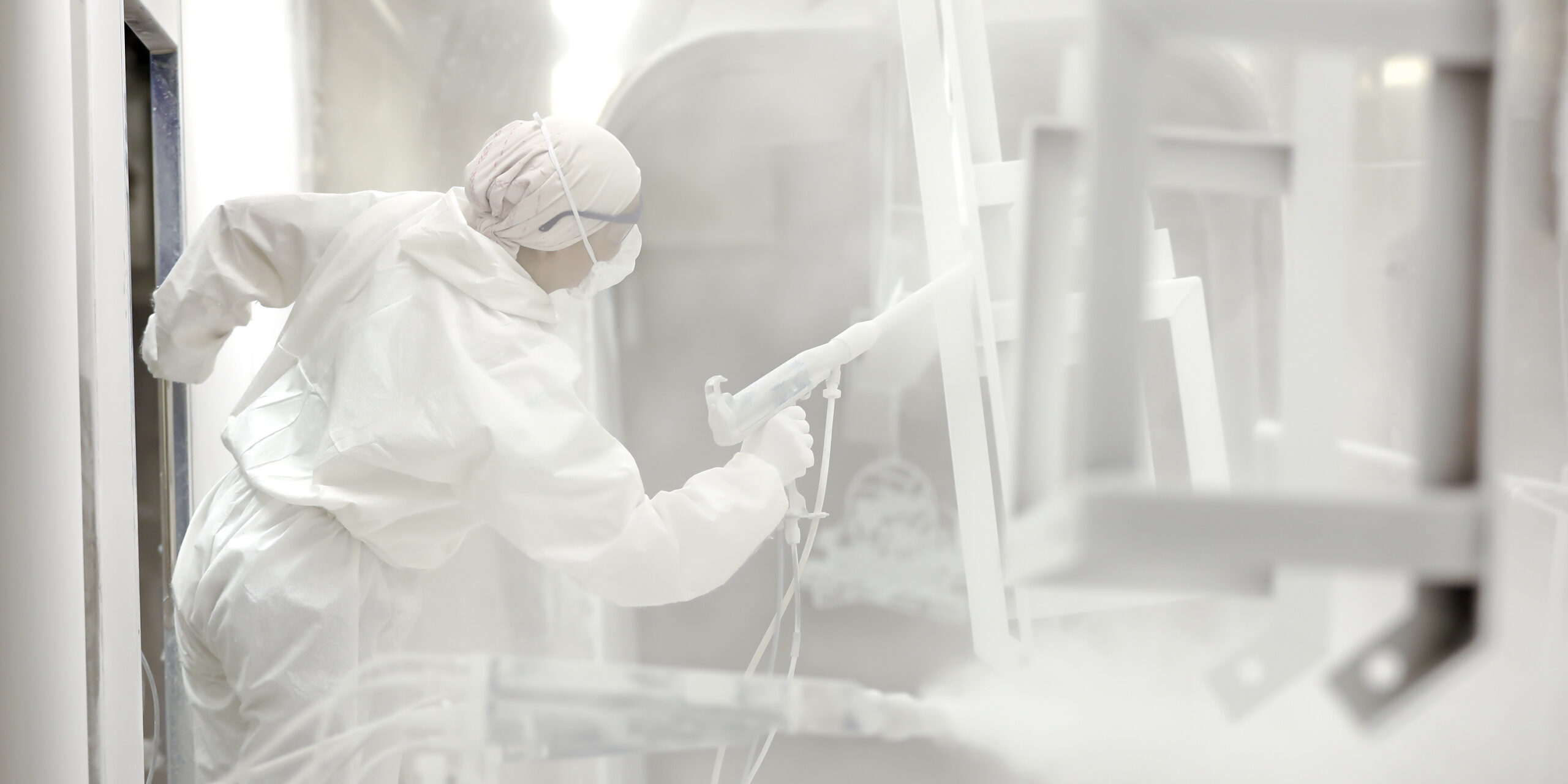
Surface coatings play a critical role in protecting materials from wear and chemical exposure. In industrial applications, coatings are expected to perform under demanding conditions while maintaining appearance and structural integrity over time. One of the most effective ways manufacturers improve coating performance is through the use of amino resins.
From automotive finishes to industrial equipment coatings, amino resins help create durable surfaces that withstand harsh environments and repeated use. Their ability to improve hardness, adhesion, and chemical resistance has made them a key component in many advanced coating systems. Understanding how these materials function can help manufacturers make informed decisions when selecting coating technologies for long-term performance.
What Are Amino Resins?
Amino resins are thermosetting polymers commonly produced through the reaction of formaldehyde with amino compounds such as melamine or urea. These resins are widely used as crosslinking agents in coating formulations because they create strong molecular networks during the curing process.
When incorporated into coatings, amino resins react with other resin systems to form a hardened surface. This crosslinked structure enhances the mechanical and chemical properties of the finished coating. Melamine-formaldehyde resins are especially common in high-performance industrial coatings due to their balance of durability, gloss retention, and resistance properties.
Because amino resins can be tailored for different curing temperatures and performance needs, they are used in a broad range of industries, including automotive, appliance manufacturing, industrial machinery, and packaging.
The Role of Amino Resins in Coating Systems
Coatings are designed to do more than provide color or visual appeal. They must also protect substrates from environmental stress, abrasion, and chemical contact. Amino resins contribute to these goals by strengthening the internal structure of the coating film.
During the curing process, amino resins chemically bond with other components in the coating system. This reaction creates a dense network that improves overall film integrity. The result is a coating that is tougher, more resistant to damage, and better suited for long-term use.
Manufacturers often combine amino resins with alkyd, polyester, acrylic, or epoxy systems to improve performance characteristics without sacrificing processing efficiency. Their versatility allows formulators to create coatings for a wide variety of applications and operating conditions.
Improved Hardness and Scratch Resistance
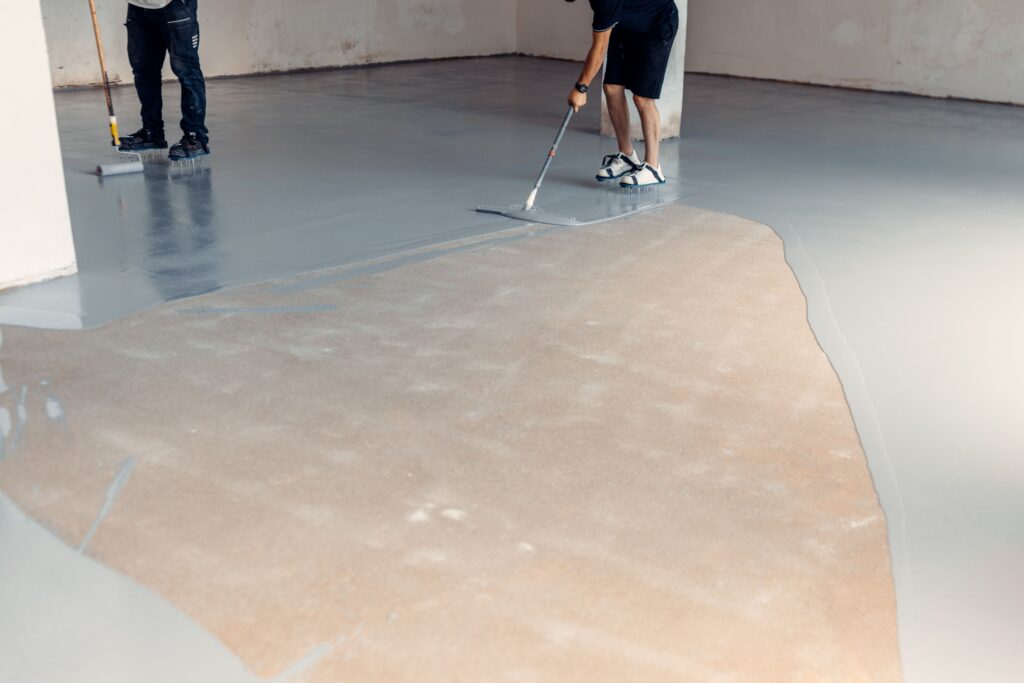
One of the most recognized benefits of amino resins is their ability to increase coating hardness. Harder coatings are less likely to scratch, dent, or wear down during use, which is especially important in industrial and consumer-facing products.
In automotive applications, for example, exterior coatings must resist scratches from debris, washing, and repeated environmental exposure. Amino resins help maintain surface integrity by forming a durable cured film that resists surface damage.
Appliance manufacturers also rely on amino resin technology to help coatings maintain appearance and performance over time. Refrigerators, washing machines, and other frequently used products benefit from finishes that can tolerate repeated contact and cleaning without degrading.
By improving scratch and abrasion resistance, amino resins help coatings maintain functionality and appearance throughout the product lifecycle.
Enhanced Chemical and Moisture Resistance
Industrial coatings are often exposed to chemicals, solvents, oils, and moisture that can compromise coating performance. Amino resins improve resistance to these substances by creating tightly crosslinked polymer structures that reduce permeability.
This enhanced resistance helps protect coated surfaces from staining, swelling, softening, or premature degradation. In manufacturing environments where equipment may encounter harsh cleaning agents or industrial chemicals, coating durability becomes essential for maintaining both safety and efficiency.
Moisture resistance is equally important in environments with humidity, temperature fluctuations, or outdoor exposure. Amino resin-modified coatings help minimize water penetration that could otherwise lead to corrosion or substrate damage.
These performance advantages make amino resins valuable for coatings used on metal components, industrial equipment, and transportation applications where environmental protection is a priority.
Better Heat Resistance and Long-Term Stability
Heat exposure can weaken coatings over time, causing discoloration, cracking, or loss of adhesion. Amino resins improve thermal stability by reinforcing the coating structure during curing.
This heat resistance is particularly important in applications involving elevated operating temperatures or repeated temperature cycling. Industrial machinery, automotive parts, and baked appliance finishes all benefit from coatings that can tolerate heat without losing protective properties.
Long-term stability also contributes to improved product lifespan. Coatings that maintain gloss, hardness, and adhesion over time reduce maintenance requirements and help manufacturers achieve more reliable performance standards.
As industries continue seeking materials that improve longevity and operational efficiency, amino resins remain a reliable component in durable coating technologies.
Supporting High-Performance Industrial Finishes
The demand for high-performance coatings continues to grow across industrial sectors. Manufacturers require coatings that not only protect products but also maintain consistent visual quality and production efficiency.
Amino resins support these goals by contributing to smooth film formation, gloss retention, and curing reliability. Because they work effectively in a variety of formulations, they can be adapted for coatings with different performance requirements and application methods.
Many resin manufacturers continue developing customized amino resin technologies that align with evolving industrial demands. This includes formulations designed for improved processing efficiency, environmental compliance, and specialized performance characteristics.
The flexibility of amino resin chemistry allows coating systems to be optimized for specific industries while maintaining the durability needed for long-term use.
Why Coating Durability Matters
Durable coatings contribute directly to product reliability, operational efficiency, and lifecycle cost reduction. When coatings fail prematurely, manufacturers may face increased maintenance expenses, product replacements, or production downtime.
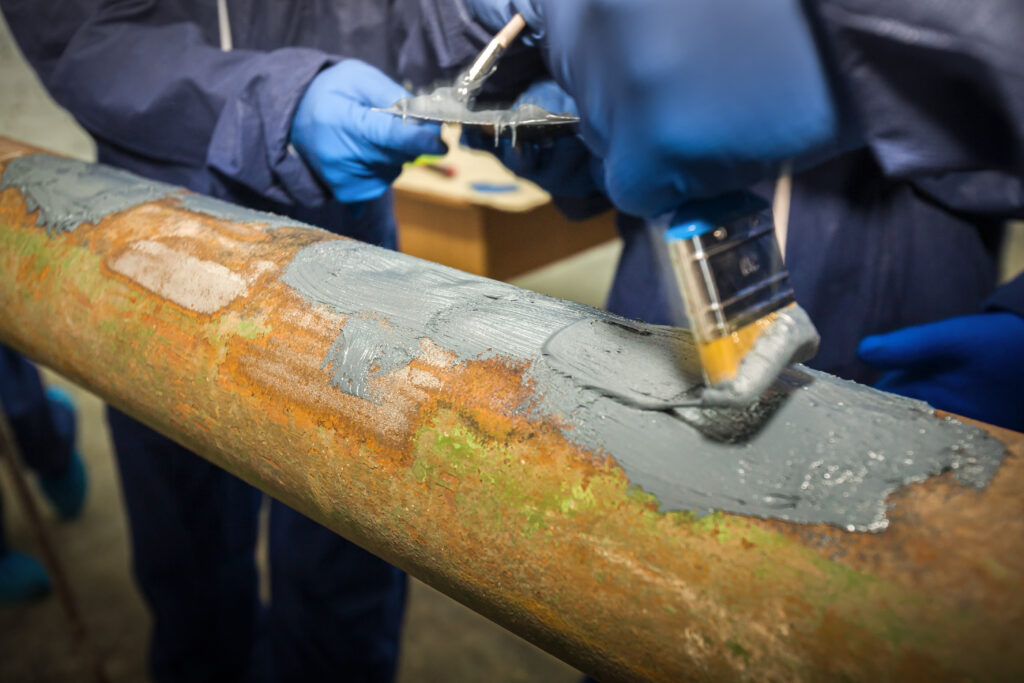
Protective coatings are often the first line of defense against corrosion, abrasion, and environmental exposure. Improving coating durability helps extend the life of equipment and finished products while maintaining consistent performance.
This is one reason why the role of amino resins in enhancing coating longevity continues to receive attention across the coatings industry. Their ability to strengthen protective finishes makes them an important material in advanced industrial formulations.
The Future of Amino Resin Technology
As coating technology evolves, manufacturers are continuing to refine amino resin systems to meet changing performance and regulatory requirements. Advances in curing efficiency, emissions reduction, and formulation compatibility are helping coatings remain both effective and adaptable.
Modern industrial applications increasingly require coatings that balance durability with sustainability goals. Amino resin technologies are being incorporated into systems designed to improve energy efficiency during curing while maintaining high-performance characteristics.
Research and development efforts also continue to focus on improving compatibility with newer coating chemistries and advanced application processes. These innovations help manufacturers respond to evolving market needs while maintaining the protective qualities that amino resins provide.
Enhance Surface Durability
How amino resins improve surface coating durability is closely tied to their ability to strengthen coating structures through crosslinking and enhanced film performance. By improving hardness, chemical resistance, moisture protection, and thermal stability, amino resins help coatings perform reliably in demanding industrial environments.
Their versatility and effectiveness have made them a trusted component in many coating systems used across manufacturing and industrial applications. As performance expectations continue to rise, amino resin technologies will remain an important part of developing durable, long-lasting surface coatings that support product quality and operational reliability.