

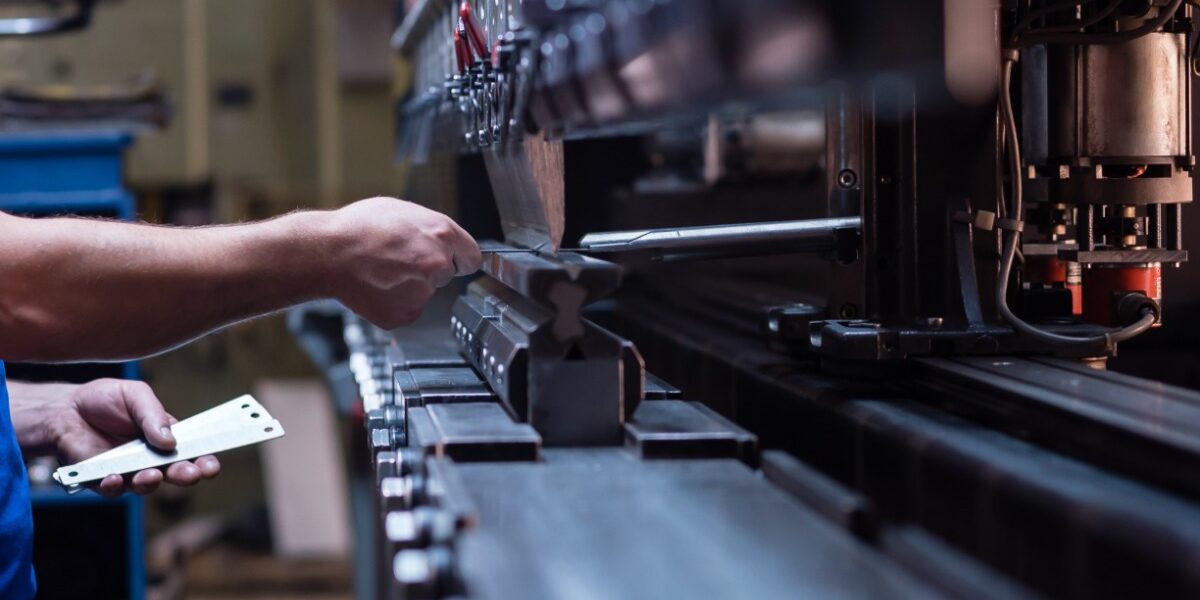
Resins serve as the foundation for countless industrial products, from coatings and adhesives to engineered composites and molded components. While the base resin determines many of a material’s core characteristics, additives are often what transform a standard formulation into a high-performance solution. By modifying physical, chemical, or processing properties, resin additives help manufacturers achieve the precise performance needed for demanding applications.
How resin additives improve product performance is an important topic for manufacturers seeking greater product consistency, longer service life, and improved manufacturing efficiency. Whether the goal is enhanced durability, better thermal stability, or easier processing, carefully selected additives provide targeted improvements that make finished products more reliable across a wide range of industries.
The Role of Resin Additives
Resin additives are materials incorporated into resin formulations to enhance or modify specific characteristics without fundamentally changing the base chemistry. Rather than replacing the resin itself, additives complement it by improving performance during manufacturing or throughout the product’s service life.
Different applications require different combinations of properties. Some products must withstand extreme temperatures, while others require excellent impact resistance or improved weatherability. Additives allow formulators to tailor resin systems to meet these unique performance requirements while maintaining manufacturing efficiency.
The ability to customize formulations is especially valuable in industries where performance specifications continue to evolve. Manufacturers can fine-tune products without completely redesigning existing resin systems, helping reduce development time while meeting customer expectations.
Improving Mechanical Strength
One of the most common reasons for incorporating additives is to improve mechanical performance. Industrial products often encounter repeated stress, vibration, or impact during normal use, making strength and toughness essential characteristics.
Certain additives help increase impact resistance, allowing finished products to better absorb sudden forces without cracking or failing. Others improve flexibility, reducing brittleness that can occur in demanding environments.
These enhancements become particularly important for products used in construction materials, automotive components, industrial equipment, and engineered composites. Improved mechanical properties often contribute to longer product life while reducing maintenance and replacement costs.
By balancing rigidity and flexibility, manufacturers can produce resin-based materials that perform consistently under a variety of operating conditions.
Enhancing Thermal Stability
Many industrial applications expose resin systems to elevated temperatures during manufacturing or throughout their operational lifespan. Without adequate thermal stability, resins may soften, degrade, or lose critical mechanical properties over time.
Thermal stabilizing additives help maintain product integrity when exposed to heat. These materials reduce degradation, allowing finished products to retain their structural and functional characteristics even under challenging operating conditions.
Improved thermal performance benefits manufacturers in multiple ways. Production processes may become more consistent, while finished products remain reliable in applications involving heat cycling or prolonged temperature exposure.
Selecting the appropriate thermal additives depends on the intended operating environment, processing temperatures, and long-term performance requirements.

Increasing Chemical Resistance
Industrial environments frequently expose materials to oils, solvents, moisture, acids, or other chemicals that can gradually affect performance. Resin additives help improve resistance to these conditions by strengthening the formulation against chemical attack.
Enhanced chemical resistance extends the usable life of coatings, adhesives, molded components, and specialty materials operating in demanding industrial settings. Maintaining dimensional stability and physical integrity helps reduce failures caused by environmental exposure.
Rather than relying solely on the base resin chemistry, formulators often combine specialized additives with carefully selected resin systems to achieve the desired balance of performance characteristics.
This approach provides greater flexibility when designing materials for highly specific industrial applications.
Supporting Better Processing Efficiency
Performance improvements are not limited to the finished product. Many additives also simplify manufacturing by improving resin processing characteristics.
Processing aids can reduce viscosity, improve flow, minimize defects, or enhance mold release during production. These improvements contribute to smoother manufacturing operations while helping maintain product consistency across production batches.
Manufacturers often benefit from shorter cycle times, improved production yields, and reduced material waste when formulations are optimized for processing efficiency.
Organizations offering chemical manufacturing services frequently work alongside customers to optimize both formulation performance and production efficiency, ensuring resin systems meet technical requirements while supporting scalable manufacturing processes.
Improving Environmental Durability
Finished products are often exposed to sunlight, humidity, temperature fluctuations, and outdoor weather conditions that gradually affect material performance. Resin additives help protect against environmental degradation by improving long-term stability.
UV stabilizers reduce damage caused by prolonged ultraviolet exposure, helping preserve appearance and structural integrity. Antioxidants minimize oxidation that may occur during manufacturing or throughout a product’s service life.
Moisture-resistant additives help reduce water absorption in applications where humidity or direct exposure to moisture could compromise performance. Together, these enhancements allow resin-based products to maintain their intended properties under a wide range of environmental conditions.
The result is improved reliability and longer service life in demanding operating environments.
Tailoring Performance for Specific Applications
No single additive provides every desired benefit. Instead, formulators carefully combine multiple additives to create resin systems optimized for particular industries and applications.
A coating formulation may prioritize weather resistance and surface durability. An adhesive may require enhanced bonding strength and thermal stability. Composite materials often need a balance of mechanical strength, processability, and dimensional stability.
This customization allows manufacturers to address customer-specific requirements while maintaining production consistency. Careful formulation development ensures that additives complement one another rather than creating unintended performance tradeoffs.
Collaboration between manufacturers, chemists, and technical teams plays an important role in identifying the optimal formulation for each project.
Supporting Product Consistency
Consistency remains one of the most valuable benefits of well-designed resin formulations. Customers expect every production run to deliver predictable performance, regardless of manufacturing scale.
Properly selected additives help reduce batch-to-batch variation by stabilizing processing conditions and maintaining uniform material properties. Improved consistency simplifies quality control while increasing confidence in finished products.
Reliable formulations also make downstream manufacturing more predictable. Customers can integrate resin-based materials into their own production processes knowing the material will perform as expected.
For manufacturers serving industries with demanding quality standards, consistent performance often becomes a competitive advantage.
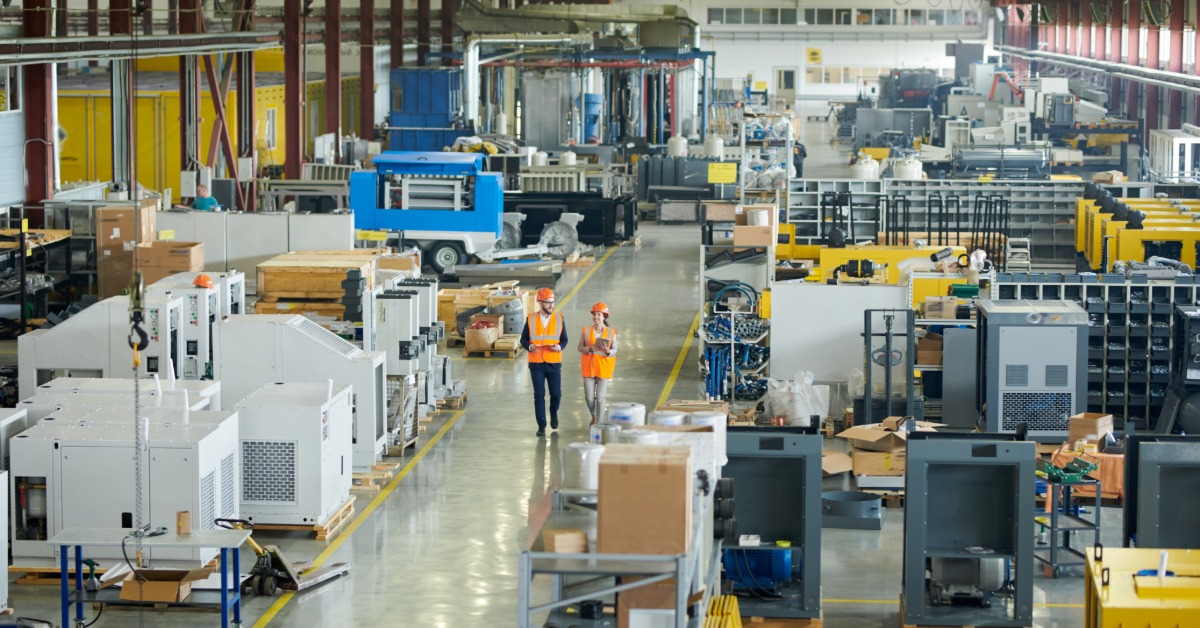
The Importance of Technical Collaboration
Developing high-performance resin systems requires more than simply selecting additives from a catalog. Each formulation must consider resin chemistry, processing methods, regulatory requirements, and final application conditions.
Experienced research and development teams evaluate how various additives interact within the overall formulation to achieve the desired balance of properties. Testing and validation help confirm that performance objectives are met before commercial production begins.
Product Improvement
Improving product performance with resin additives involves strategically enhancing resin formulations to achieve greater durability, thermal stability, chemical resistance, environmental performance, processing efficiency, and product consistency. As industrial applications become increasingly specialized, additives provide the flexibility needed to meet evolving performance expectations without fundamentally changing the underlying resin system.
By combining technical expertise with thoughtful formulation development, manufacturers can create resin products that perform reliably across diverse operating environments. Organizations that emphasize collaboration, research, and customized resin development are well positioned to help customers achieve long-term product success through carefully engineered material solutions.