

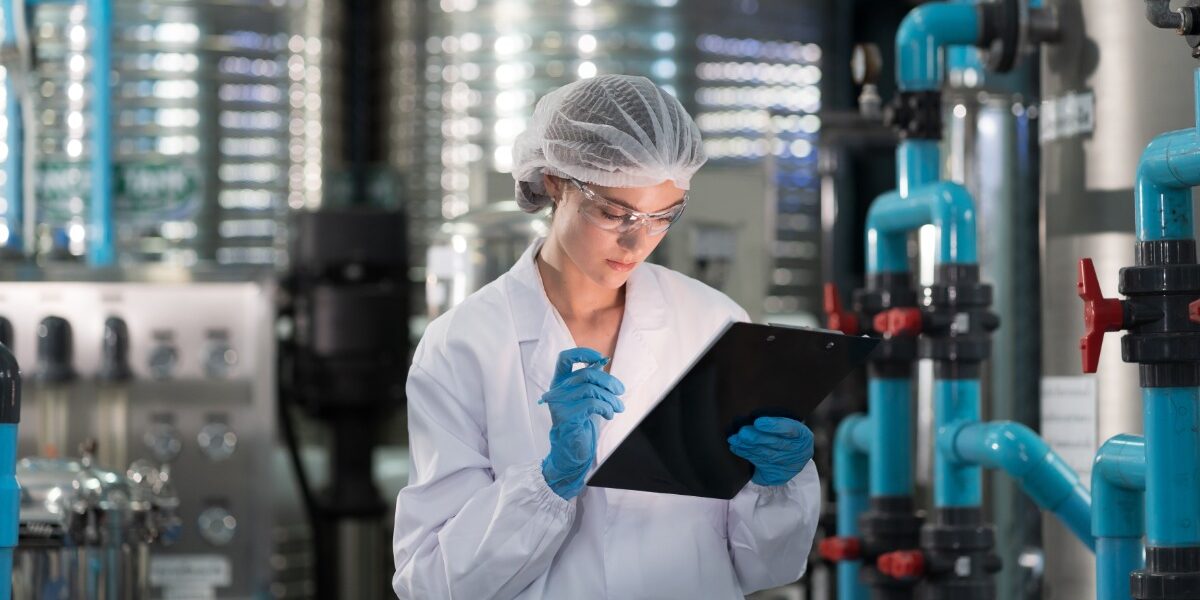
In today’s competitive industrial landscape, innovation is essential for companies looking to develop high-performance chemical products. The role of CR&D in chemical product innovation has become increasingly important as businesses seek efficient, cost-effective ways to bring new formulations to market. By combining technical expertise with collaborative problem-solving, CR&D helps bridge the gap between concept and commercialization.
Chemical innovation is rarely a linear process. It requires careful testing, formulation adjustments, and scalability considerations. CR&D partners provide the infrastructure and expertise needed to navigate these complexities while maintaining quality and consistency throughout development.
What CR&D Means in the Chemical Industry
Contract research and development refers to outsourcing research, formulation, and testing processes to specialized partners with the resources to support innovation. These partnerships allow companies to focus on their core operations while leveraging external expertise for product development.
Unlike traditional in-house R&D, CR&D offers flexibility and scalability. Companies can engage in short-term or long-term projects depending on their needs. This model is particularly valuable for organizations developing niche or early-stage products that require specialized knowledge and controlled testing environments.
For manufacturers like Capital Resin Corporation, contract research and development is not just a service—it is an integrated approach to helping customers create tailored chemical solutions. Their technical capabilities allow for close collaboration with clients throughout the development lifecycle, ensuring that each product meets precise performance requirements.
Accelerating Innovation Through Collaboration
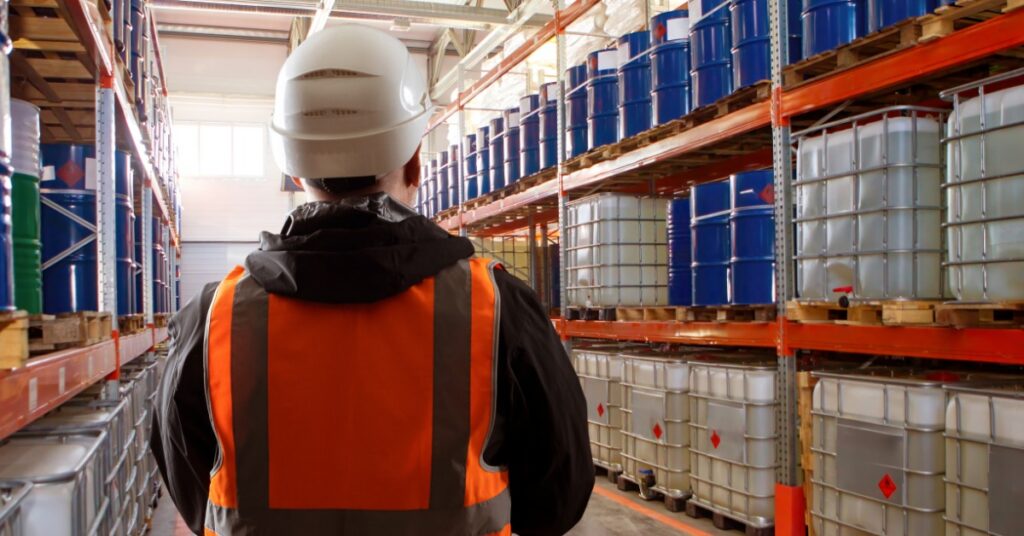
One of the most significant advantages of CR&D is the collaborative framework it provides. Innovation thrives when chemists, engineers, and project managers work together to solve complex challenges. CR&D environments are designed to foster this type of cross-functional collaboration.
By working with a CR&D partner, companies gain access to experienced professionals who understand formulation chemistry and regulatory considerations. This collective expertise helps identify potential issues early in development, reducing costly delays later in the process.
Collaboration also enables faster iteration. Instead of relying on limited internal resources, companies can test multiple formulations simultaneously. This accelerates the path from concept to viable product, giving businesses a competitive edge in the marketplace.
Enhancing Efficiency and Reducing Risk
Developing new chemical products involves inherent risks, including formulation instability, scalability challenges, and performance inconsistencies. CR&D helps mitigate these risks through structured testing and controlled experimentation.
Experienced CR&D teams follow established protocols to evaluate raw materials and product performance. This systematic approach ensures that formulations are both effective and reproducible. It also helps identify potential safety considerations without overstating or misrepresenting chemical properties.
Efficiency is another key benefit. CR&D partners often have access to specialized equipment and facilities that may not be feasible for companies to maintain in-house. This allows for faster testing cycles and more accurate data collection, ultimately reducing time-to-market.
Supporting Custom Chemical Development
Customization is a driving force behind modern chemical innovation. Many industries require products tailored to specific applications, whether for performance, compatibility, or regulatory compliance. CR&D plays a critical role in meeting these unique requirements.
Through close collaboration, CR&D teams can adjust formulations to achieve desired characteristics such as viscosity, reactivity, or stability. This level of customization is particularly important in industries like coatings, adhesives, and industrial resins.
Capital Resin Corporation, for example, works closely with customers to develop specialized chemical solutions that align with their operational needs. Their ability to integrate research with production capabilities ensures a seamless transition from development to manufacturing.
Bridging the Gap Between Lab and Production
One of the most challenging aspects of chemical product innovation is scaling a formulation from the laboratory to full production. A product that performs well in small-scale testing may encounter issues when produced in larger volumes.
CR&D helps bridge this gap by incorporating scalability considerations early in the development process. This includes evaluating reaction kinetics, heat transfer, and equipment compatibility. By addressing these factors upfront, CR&D reduces the likelihood of production setbacks.
Additionally, CR&D partners often have pilot-scale facilities that allow for intermediate testing before full-scale manufacturing. This step is critical for validating processes and ensuring consistent product quality.
Driving Long-Term Innovation Strategies
Beyond individual projects, CR&D supports long-term innovation strategies by providing ongoing technical insight. Companies can use CR&D partnerships to explore new materials, improve existing formulations, or adapt products to changing market demands.
This continuous improvement approach is essential in industries where performance standards and regulatory requirements are constantly evolving. CR&D teams stay informed about industry trends and advancements, helping clients remain competitive.
By maintaining a collaborative relationship, companies can build a pipeline of innovative products rather than relying on one-time developments. This strategic advantage positions businesses for sustained growth.
The Value of Technical Integration
Technical integration is a key component of successful CR&D partnerships. It involves aligning research efforts with production capabilities, quality standards, and customer expectations. This holistic approach ensures that innovation is both practical and scalable.
For chemical manufacturers, technical integration means that R&D is not isolated from operations. Instead, it is closely connected to manufacturing processes, allowing for smoother transitions and more efficient production.
This integration also enhances communication between teams, ensuring that all stakeholders are aligned throughout the development process. The result is a more cohesive approach to innovation that minimizes disruptions and maximizes outcomes.
Why CR&D Matters for Modern Chemical Innovation
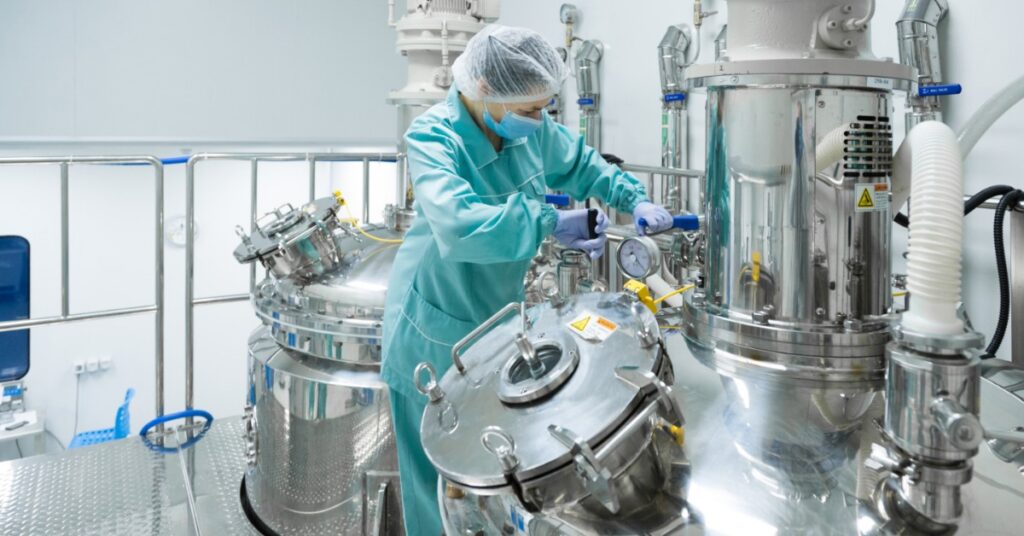
As industries continue to demand more specialized and high-performance chemical products, the importance of CR&D will only grow. Companies need reliable partners who can provide the expertise, infrastructure, and flexibility required to innovate effectively.
The role of CR&D in chemical product innovation extends beyond simple formulation development. It encompasses collaboration, risk management, scalability, and long-term strategy. By leveraging these capabilities, businesses can bring better products to market more efficiently.
Reframing this idea, the impact of contract-based research partnerships on advancing chemical innovation highlights how essential these collaborations have become. They enable companies to push boundaries while maintaining the consistency and quality required in industrial applications.
Innovate Your Product
CR&D has become a cornerstone of modern chemical product development. By combining technical expertise with collaborative processes, it enables companies to innovate with confidence and efficiency. From initial concept to full-scale production, CR&D provides the support needed to navigate complex challenges and deliver high-quality solutions.
For organizations seeking to develop custom chemical products, partnering with a trusted CR&D provider offers a clear path to success. With the right expertise and infrastructure in place, innovation becomes not just achievable, but sustainable over the long term.