

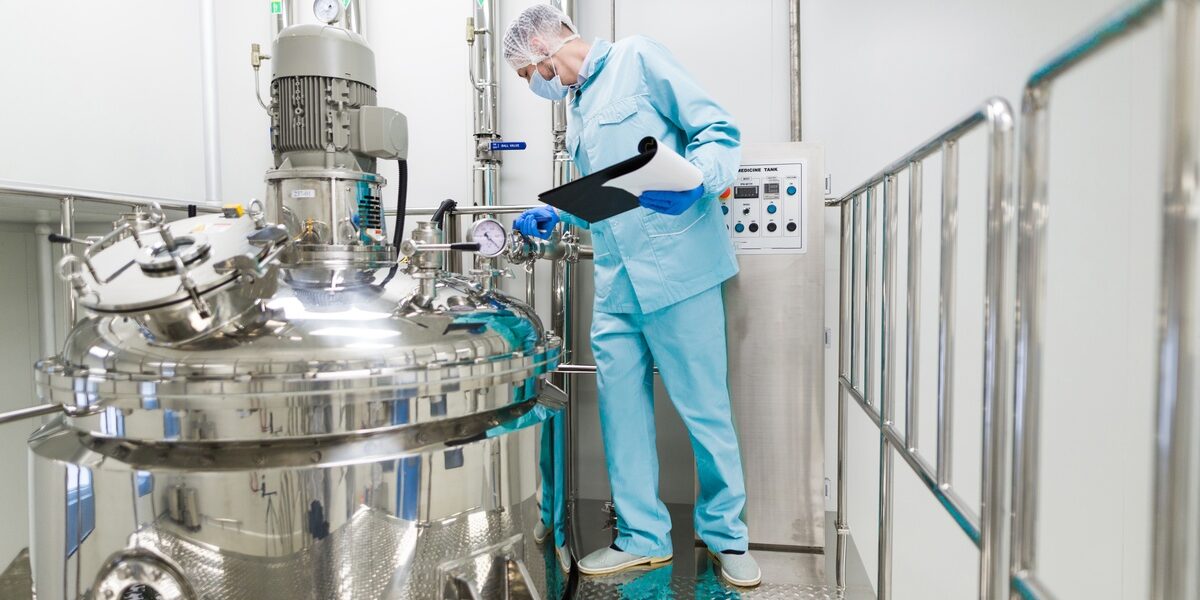
Chemical manufacturers continue to refine sulfonation methods as demand grows for high-performance intermediates used in detergents, catalysts, and specialty chemicals. Modern facilities require reliable processes that balance efficiency, consistency, and product quality. Engineers and chemists, therefore, focus on improving how sulfonation reactions occur at both laboratory and production scales.
Recent advancements in sulfonation process technologies have changed how producers manage reaction control, heat transfer, and product purification. These improvements help manufacturers reduce variability, increase throughput, and maintain strict quality standards across batches. As industries rely more heavily on customized chemical solutions, advanced sulfonation technologies now play a larger role in scalable production strategies.
Organizations that invest in improved sulfonation processes gain greater flexibility when developing specialty products. Continuous reactor systems, automation, and better monitoring tools now allow teams to control complex reactions with greater precision. These developments support consistent manufacturing outcomes and help organizations respond to evolving product requirements.
The Growing Importance of Sulfonation in Chemical Manufacturing
Sulfonation introduces sulfonic acid groups into organic molecules, which changes how those molecules behave in industrial applications. This modification often improves solubility, reactivity, or catalytic performance. Because of these advantages, sulfonated compounds appear in many manufacturing sectors.
Chemical companies rely on sulfonation to produce intermediates for surfactants, resins, and specialty additives. The process also supports the development of customized catalysts and performance chemicals used in industrial systems. As product formulations grow more specialized, manufacturers require tighter control over the sulfonation reaction itself.
This demand drives ongoing innovation in equipment design and process optimization. Improved technologies allow producers to maintain stable reaction conditions while scaling production volumes. These capabilities help manufacturers deliver consistent chemical performance across diverse industrial applications.
Reactor Design Improvements
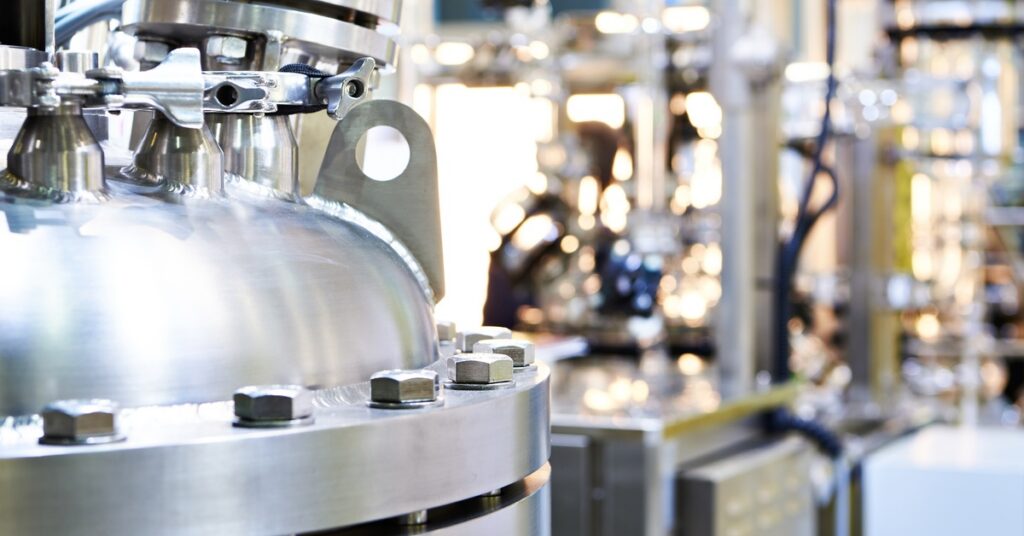
Reactor design is one of the most influential areas of progress in sulfonation technology. Traditional batch reactors often struggled with uneven heat distribution and limited reaction control. Modern reactor systems address these limitations through improved engineering and advanced materials.
Continuous film reactors and falling-film sulfonators now provide more efficient surface contact between reactants. These designs allow the sulfonating agent to interact evenly with the organic substrate. The improved contact increases reaction efficiency and reduces the likelihood of unwanted side reactions.
Enhanced heat transfer also impacts reactor design. Sulfonation reactions generate significant heat, which can destabilize the process if not managed properly. Modern reactor systems distribute heat more effectively, allowing operators to maintain precise temperature control throughout the reaction.
Advanced Process Monitoring and Automation
Digital monitoring tools are essential in improving sulfonation operations. Sensors track temperature, pressure, and flow rates in real time. This information allows operators to identify deviations before they disrupt the reaction.
Automation systems integrate these monitoring tools with advanced process controls. The system adjusts operating conditions automatically when it detects fluctuations. These adjustments maintain stable reaction environments without constant manual intervention.
Manufacturers benefit from improved reliability and reduced downtime. Automated monitoring also supports more detailed process data collection. Engineers use this information to refine operating conditions and further improve process performance over time.
Improved Raw Material Handling
Sulfonation reactions often involve highly reactive reagents that require careful handling. Advances in feed systems now help manufacturers deliver these materials safely and consistently. Improved dosing equipment ensures accurate reagent distribution throughout the process.
Modern systems also incorporate enhanced containment and transfer technologies. These systems reduce exposure risks and maintain controlled delivery of reactants. Accurate feed control improves reaction consistency and prevents localized overreaction within the reactor.
Reliable raw material handling supports stable process performance. As a result, manufacturers achieve more consistent product characteristics and improved batch reproducibility.
Enhanced Reaction Selectivity
Selectivity is one of the most important goals in sulfonation process development. Higher selectivity ensures that the reaction produces the intended sulfonated compound while minimizing unwanted byproducts. Improved selectivity simplifies downstream purification and improves overall yield.
Several technological improvements contribute to better selectivity:
- Precise temperature control within the reactor
- Optimized reactant feed rates
- Advanced mixing and contact surfaces
- Improved reaction residence time control
These improvements allow chemists to fine-tune reaction conditions for specific products. For example, manufacturers may adjust reaction parameters when producing compounds such as phenol sulfonic acid to ensure consistent structural properties.
Better selectivity not only improves efficiency but also reduces waste generation. These advantages make modern sulfonation technologies more sustainable and economically practical.
Environmental and Safety Considerations
Environmental responsibility and operational safety are central priorities in chemical manufacturing. Sulfonation processes involve strong reagents and exothermic reactions, so facilities must carefully manage these conditions.
Modern technologies reduce environmental impact through improved process efficiency. Improved monitoring also reduces the risk of off-spec material that might require disposal or reprocessing.
Process safety also improves through automation and advanced containment systems. These technologies support controlled reaction environments while minimizing the risk of unexpected process deviations. Facilities that integrate these tools strengthen operational reliability and worker safety.
Integration With Custom Chemical Development
Sulfonation technologies are crucial in custom chemical development projects. Many organizations require specialized sulfonated intermediates for new product formulations. Reliable process technologies allow manufacturers to scale these products from pilot trials to commercial production.
Technical collaboration often drives these projects. Chemists and engineers evaluate reaction conditions, equipment design, and production requirements before finalizing the manufacturing approach. Modern sulfonation technologies provide the flexibility needed to support these collaborative development efforts.
Organizations that combine strong technical expertise with advanced equipment can deliver specialized sulfonated compounds more efficiently. This capability helps manufacturers bring new chemical products to market faster.
Future Directions for Sulfonation Technologies

Innovation in sulfonation technology continues to accelerate as manufacturers seek more efficient and adaptable production systems. Researchers explore new reactor materials, improved catalysts, and advanced digital control platforms. These developments will likely enhance process reliability and scalability.
Future systems may incorporate predictive analytics and machine learning to refine reaction control further. These tools could allow facilities to anticipate process variations before they occur. Such capabilities would help manufacturers maintain optimal operating conditions across long production campaigns.
As industry needs evolve, advancements in sulfonation process technologies will continue to support the development of specialized chemical intermediates. Improved reactor systems, automation, and process monitoring will remain essential for efficient and consistent manufacturing.
Partner With Experienced Chemical Manufacturers
Organizations that require sulfonated intermediates benefit from working with manufacturers who understand both chemistry and production engineering. Advanced sulfonation technologies require careful integration with equipment design, process control, and quality management systems.
Capital Resin Corporation works closely with customers to support specialized chemical development and manufacturing projects. Our technical expertise and production capabilities help organizations scale complex chemical processes. If your team requires sulfonated intermediates or customized chemical manufacturing support, contact us to discuss how advanced process technologies can support your production goals.