

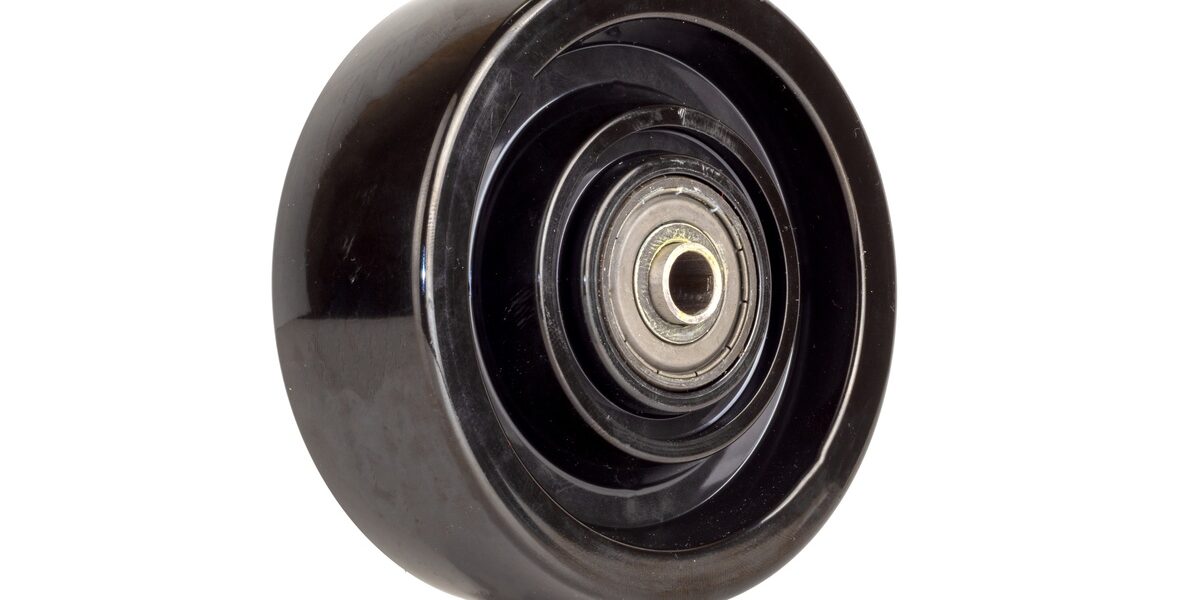
Industrial facilities rely on durable, high-performance caster wheels to move heavy equipment, materials, and products efficiently across their operations. The wheel material determines performance under extreme conditions, and phenolic resin stands out as a premium solution for casters in demanding industrial applications. This specialized thermosetting plastic offers exceptional strength, heat resistance, and chemical stability that standard materials cannot match.
Manufacturing environments place intense demands on caster wheels. Heavy loads, high temperatures, chemical exposure, and constant rolling create harsh operating conditions that destroy inferior materials quickly. Phenolic resin wheels deliver reliable performance where other materials fail, making them essential for industries requiring dependable material handling solutions. In this overview of phenolic resin for casters, we will cover the properties, applications, and benefits of these wheels.
What Makes Phenolic Resin Ideal for Caster Applications
Phenolic resin forms through the chemical reaction between phenol and formaldehyde, creating a cross-linked polymer structure that exhibits remarkable mechanical properties. This thermosetting plastic cannot be melted or reformed once cured, resulting in permanent chemical bonds that maintain structural integrity under stress.
Strength-to-Weight Ratio
The material’s exceptional compressive strength allows phenolic caster wheels to support heavy loads without deformation. Load ratings typically range from 500 to over 3,000 pounds per wheel, depending on wheel diameter and construction. This strength-to-weight ratio surpasses most alternative materials while maintaining dimensional stability.
Heat Resistance for High-Temperature Environments
Heat resistance represents another critical advantage. Phenolic resin wheels operate effectively in temperatures of up to 250 degrees Fahrenheit, making them suitable for foundries, bakeries, and other high-temperature environments. The material maintains its properties without softening, cracking, or releasing toxic fumes at elevated temperatures.
Chemical Resistance
Chemical resistance protects phenolic wheels from acids, alkalis, solvents, and oils commonly found in industrial settings. This resistance prevents degradation that would compromise wheel integrity and contaminate products or work areas.
Key Properties and Performance Characteristics
Phenolic resin casters deliver consistent performance through several measurable characteristics that distinguish them from alternatives:
- They can support over 3,000 pounds per wheel.
- They offercontinuous operation of up to 250 degrees Fahrenheit.
- They typically have a finish of 80 to 95 Shore D for optimal floor protection.
- Their low rolling resistance reduces push/pull forces.
- They resist most industrial chemicals and cleaning agents.
- They experience minimal expansion and contraction with temperature changes.
The non-marking properties of phenolic wheels protect floor surfaces while maintaining traction for safe operation. Unlike rubber wheels that leave marks on floors, phenolic wheels roll cleanly without transferring material to surfaces.
Static and dynamic load ratings provide engineers with performance parameters for application design. Static ratings indicate maximum stationary loads, while dynamic ratings specify safe operating loads during movement. These specifications ensure proper wheel selection for specific applications.
The Manufacturing Process
Phenolic resin producers utilize precise manufacturing processes to ensure consistent wheel quality and performance. They begin the production process by combining phenolic resin with reinforcing materials such as fabric, fibers, or fillers to enhance certain properties.
Next, they use compression molding to form the wheels under controlled temperature and pressure conditions. This process ensures complete resin curing and optimal density distribution throughout the wheel structure.
Quality Control
Quality control measures include dimensional verification, hardness testing, and load capacity validation. Advanced manufacturing techniques incorporate continuous quality monitoring systems that track critical process parameters. These systems maintain consistent product specifications and identify potential issues before they affect product quality.
Material traceability systems document raw material sources, process parameters, and quality test results for each production batch. This documentation supports quality assurance programs and enables rapid response to any performance issues.
Industrial Applications and Use Cases
Phenolic resin casters serve diverse industrial applications where performance and reliability are critical. Manufacturing facilities use these wheels on assembly line equipment, material handling carts, and heavy machinery dollies. The wheels’ ability to support heavy loads while rolling smoothly reduces operator fatigue and improves productivity.
Foundries and Metalworking Operations
Foundries and metalworking operations benefit from phenolic wheels’ heat resistance and durability. These environments subject wheels to extreme temperatures, metal shavings, and abrasive conditions that destroy conventional materials. Phenolic wheels maintain their integrity and performance throughout extended service periods.
Food Processing Facilities
Food processing facilities require wheels that resist cleaning chemicals, temperature extremes, and frequent washdowns. Phenolic resin’s chemical resistance and nonporous surface prevent bacterial growth while withstanding aggressive sanitizing procedures.
Aerospace and Defense Applications
Aerospace and defense applications demand materials that meet strict performance specifications and quality standards. Phenolic wheels provide the reliability and consistency required for critical applications while maintaining dimensional stability under varying environmental conditions.
Comparing Phenolic Resin to Alternative Caster Materials
Steel wheels offer high load capacity but lack floor protection and generate excessive noise. They also conduct electricity and heat, creating potential safety hazards in certain applications. Phenolic wheels provide comparable load capacity with superior floor protection and electrical insulation properties.
Polyurethane wheels deliver excellent floor protection and quiet operation but have limited temperature resistance and chemical compatibility. They can soften or degrade when exposed to certain chemicals or elevated temperatures. Phenolic wheels maintain their properties across broader temperature and chemical exposure ranges.
Rubber wheels provide good shock absorption and floor protection but have limited load capacity and temperature resistance. They also mark floors and can transfer contamination between areas. Phenolic wheels eliminate these concerns while supporting heavier loads.
Nylon wheels offer good chemical resistance and load capacity but can be noisy and may cause floor damage. They also absorb moisture, which can affect dimensional stability. Phenolic wheels provide superior performance consistency without moisture absorption issues.
Making the Right Choice for Your Application
Selecting appropriate phenolic resin casters requires careful consideration of operating conditions, performance requirements, and economic factors. Load requirements determine minimum wheel specifications, while environmental conditions influence material selection and special features.
Consider Temperature Exposure
Conduct a temperature exposure analysis to identify whether standard phenolic formulations meet your application requirements or whether specialized high-temperature grades are necessary. Chemical exposure assessment ensures compatibility with cleaning agents, process chemicals, and environmental contaminants.
Plan for Your Floor Surface and Noise Requirements
Floor surface affects wheel hardness selection and tread design. Smooth floors may require different wheel characteristics than textured or uneven surfaces. Noise requirements in sensitive environments may also influence your wheel design choice.
Calculate Your Budget
Your cost analysis should include initial purchase price, maintenance costs, replacement frequency, and productivity impacts. While phenolic wheels may have higher initial costs than some alternatives, their extended service life and superior performance often provide better total cost of ownership.

Maximizing Performance and Service Life
Proper installation, maintenance, and operation practices maximize phenolic caster wheel performance and service life. Regular inspection schedules identify wear patterns, damage, or performance degradation before they compromise operations.
Lubricate bearing assemblies according to manufacturer specifications to prevent premature failure and maintain smooth operation. Proper mounting techniques ensure even load distribution and prevent stress concentrations that could cause premature failure.
Always operate within specified load and temperature limits to preserve wheel integrity and performance. Overloading or exposure to excessive temperatures can cause permanent damage that compromises safety and performance.
Environmental contamination management protects wheels from abrasive particles, corrosive chemicals, or other harmful substances. Clean wheels regularly to remove accumulated debris that could accelerate wear or interfere with operation.
Partner With Experts for Custom Solutions
Capital Resin Corporation specializes in developing custom chemical solutions that meet industrial requirements. Our R&D capabilities and technical integration allow collaboration with customers to develop high-quality industrial resins and specialized formulations for demanding applications.
Contact us to discuss phenolic resin for casters, and explore how our custom chemical manufacturing services can support your material handling needs. Our expertise in industrial resins and commitment to quality ensure you receive solutions that deliver reliable performance and long-term value.