

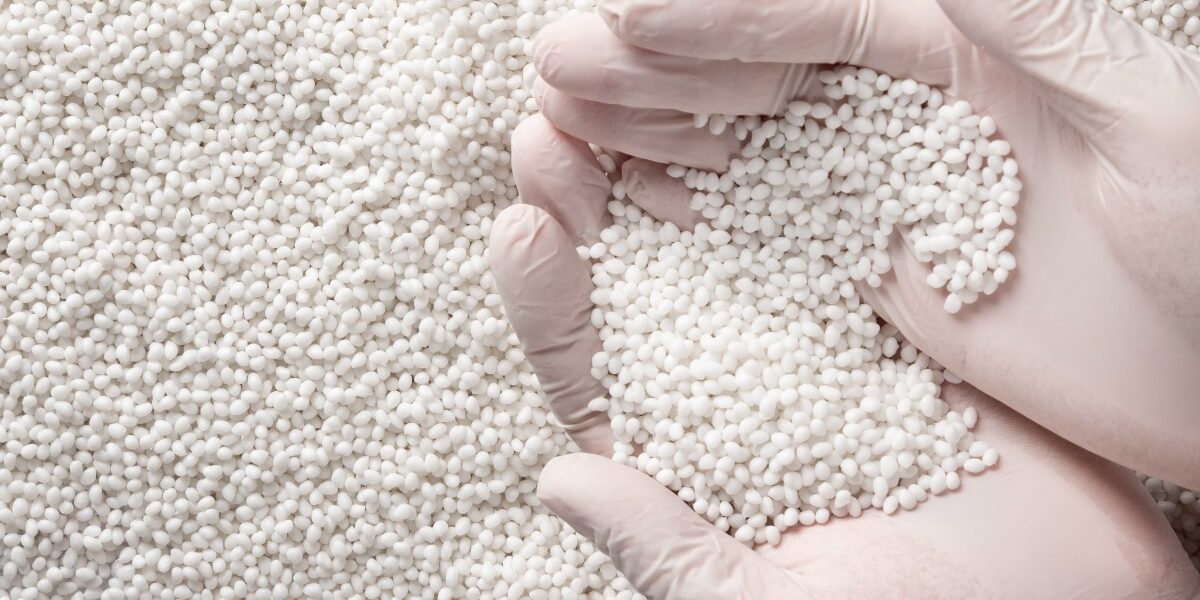
Understanding Isocyanate hazards and safe handling practices is important for organizations that manufacture, formulate, transport, or use reactive chemical materials. Isocyanates are valued for their role in producing polyurethane foams, coatings, adhesives, sealants, and elastomers. Their usefulness comes from their chemical reactivity, which also makes careful exposure management essential. A sound approach combines technical knowledge, documented procedures, appropriate equipment, and employee training.
Industrial teams should evaluate each isocyanate-containing product according to its formulation, concentration, physical form, and operating conditions. Hazards may differ between monomers, prepolymers, and finished systems. Safety data sheets, workplace exposure assessments, and applicable regulations provide the starting point for site-specific controls. General guidance cannot replace an employer’s hazard assessment or qualified safety oversight.
What Makes Isocyanates a Workplace Concern?
Isocyanates contain reactive functional groups that readily combine with compounds containing active hydrogen, including polyols and water. Common examples include methylene diphenyl diisocyanate (MDI), toluene diisocyanate (TDI), and hexamethylene diisocyanate (HDI). Different products have different volatility, processing temperatures, and exposure potential. Those distinctions matter when evaluating tasks such as mixing, spraying, heating, transferring, or cleaning equipment.
Inhalation exposure can irritate the respiratory tract and may contribute to occupational asthma or respiratory sensitization. Once sensitized, a worker may react to subsequent exposures, potentially at low concentrations. Skin contact can cause irritation and may also contribute to sensitization. Eye exposure is another concern, particularly during splashes or aerosol-generating operations.
Recognizing Exposure Routes and Higher-Risk Tasks
Airborne exposure can occur through vapors, mists, or aerosols, depending on the material and process. Spray application, heated operations, open handling, and maintenance involving contaminated equipment deserve particular attention. A material with relatively low vapor pressure can still create inhalation hazards when atomized or heated. Therefore, relying on odor or visible mist to judge exposure is not appropriate.
Skin exposure can occur during transfers, sampling, equipment cleaning, or contact with contaminated surfaces and protective clothing. Unexpected releases may create simultaneous inhalation and dermal hazards. Process reviews should consider routine work, startup and shutdown, foreseeable upsets, and contractor activities. Exposure monitoring and observation of actual work practices can help identify gaps that written procedures alone may miss.

Engineering Controls Come First
Effective risk management begins by considering whether a process can eliminate unnecessary exposure opportunities or use a less hazardous material where technically feasible. Enclosed transfer systems, automated dispensing, and equipment designed to limit leaks can reduce direct contact. Local exhaust ventilation may be necessary at points where airborne contaminants are generated. Ventilation effectiveness should be assessed for the actual operation rather than assumed from equipment installation.
Temperature control and preventive maintenance are also important. Elevated temperatures can change emission potential, while worn seals or poorly maintained connections can increase the likelihood of releases. Employers should establish inspection schedules and verify that engineering controls continue to perform as intended. Any process change should trigger a review of exposure assumptions and control adequacy.
Personal Protective Equipment and Hygiene
Personal protective equipment supplements engineering and administrative controls; it should not be the sole safeguard. Chemical-resistant gloves, protective clothing, and eye or face protection must be selected using product-specific compatibility information and the exposure scenario. Glove performance varies by material, formulation, and contact duration. Contaminated garments and reusable equipment require controlled handling to avoid transferring residue to skin or clean areas.
Where respiratory protection is required, employers need a compliant respiratory protection program that addresses respirator selection, medical evaluations, fit testing where applicable, training, and maintenance. The appropriate respirator depends on measured or reasonably anticipated exposure and other workplace conditions. Workers should have accessible handwashing facilities and follow established hygiene procedures. Eating or drinking in handling areas should be prohibited by site rules.
Storage, Transfer, and Spill Preparedness
Isocyanates may react with moisture, so storage and transfer requirements must follow the specific supplier’s instructions. Containers should be compatible, clearly labeled, and protected from conditions that could compromise their integrity. Some reactions can generate heat and pressure, making uncontrolled contamination particularly concerning. Facilities should maintain procedures for receiving, staging, transferring, and inspecting containers before use.
Spill response plans should distinguish minor, manageable incidents from releases requiring evacuation and specialized response. Only trained, properly equipped personnel should undertake cleanup under approved site procedures. Improvised neutralization or adding water without product-specific direction can introduce additional hazards. Emergency planning should address isolation, communication, medical evaluation, and notification requirements, with drills suited to the facility’s operations.
Training, Monitoring, and Medical Response
Training should explain how workers may be exposed, what early symptoms can look like, and why prompt reporting matters. Coughing, chest tightness, wheezing, eye irritation, or skin reactions warrant attention under the employer’s medical response procedures. Symptoms may not always appear immediately, and workers should not be expected to diagnose sensitization themselves. Medical evaluation should be arranged when exposure or symptoms warrant it.
Employers should maintain accessible safety data sheets, clear labeling, task-specific instructions, and records required by applicable standards. Industrial hygiene professionals can help determine appropriate sampling strategies and interpret results against relevant occupational exposure limits. Periodic reviews should consider monitoring findings, near misses, incidents, and employee feedback. A strong program treats new information as a reason to improve controls rather than simply document compliance.
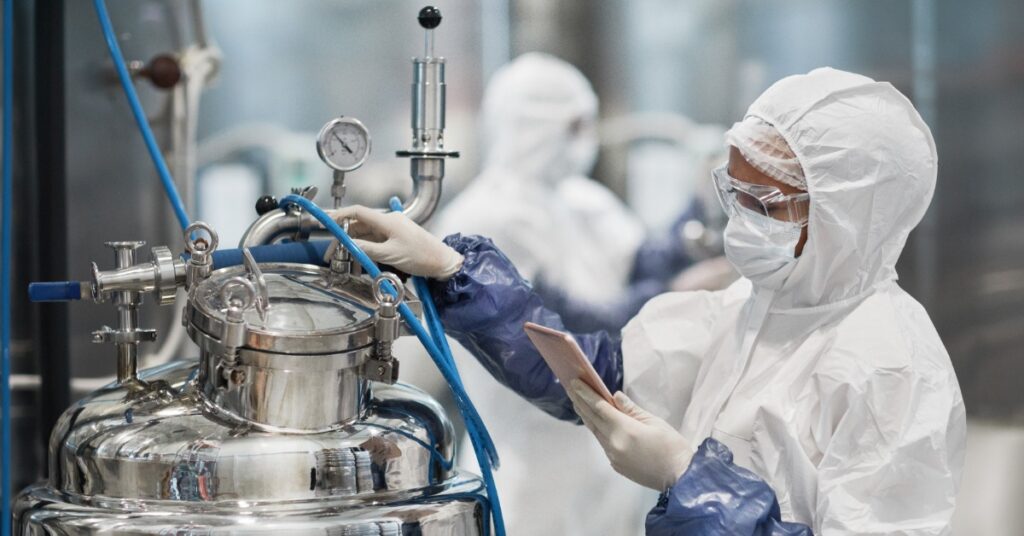
Building Safety Into Chemical Manufacturing Partnerships
Chemical manufacturing partnerships work best when safety expectations are addressed before a project moves into production. Customers and manufacturers should communicate material specifications, anticipated process conditions, known incompatibilities, and handling constraints. Discussions about equipment capabilities, containment, ventilation, and emergency arrangements help identify whether a proposed process fits the facility. Confidentiality and technical collaboration should coexist with complete hazard communication.
For organizations working with a phenolic resin manufacturer, it is especially important not to assume that experience with one reactive chemistry automatically establishes suitability for another. Each material and process requires its own technical and safety review. A manufacturing partner should evaluate feasibility against its actual capabilities, personnel qualifications, and regulatory obligations. This approach supports responsible project planning without making unsupported claims about specific facilities or services.
A Practical Culture of Prevention
Consistent management of isocyanate exposure risks and safe handling procedures depends on decisions made long before a container is opened. Appropriate process design, verified controls, product-specific instructions, and meaningful training all play complementary roles. Supervisors and technical teams should encourage reporting of concerns and reassess safeguards when materials, equipment, or operating conditions change.
Isocyanates can serve important industrial functions when their hazards are understood and controlled through a disciplined program. The goal is neither to minimize risks nor to portray the chemistry negatively, but to make informed decisions based on evidence. Organizations should consult current supplier documentation, qualified safety professionals, and applicable requirements before establishing or modifying handling practices.