

Thermoset polymers play an important role across a wide range of industrial applications because of their strength, durability, and resistance to heat and chemicals. Unlike thermoplastics, thermoset materials permanently cure during processing, creating a rigid structure that maintains stability under demanding conditions. As industries continue to require reliable materials for high-performance environments, thermoset polymers remain a preferred solution for manufacturers and engineers.
From coatings and adhesives to electronics and automotive components, exploring industrial uses of thermoset polymers highlights how versatile these materials can be in modern production environments.
Thermoset Polymers in Industrial Coatings
Industrial coatings rely heavily on thermoset polymers because they provide long-lasting protection against wear, moisture, and corrosion. Epoxy and phenolic resin systems are commonly used in protective coatings for machinery and manufacturing equipment. These coatings help extend equipment lifespan while maintaining performance in harsh operating environments.
Thermoset-based coatings also perform well in high-temperature applications. Their ability to retain structural integrity under thermal stress makes them useful in facilities where exposure to heat and chemicals is common. Manufacturers often select thermoset coatings when durability and consistent performance are critical to operations.
Applications in Automotive and Transportation
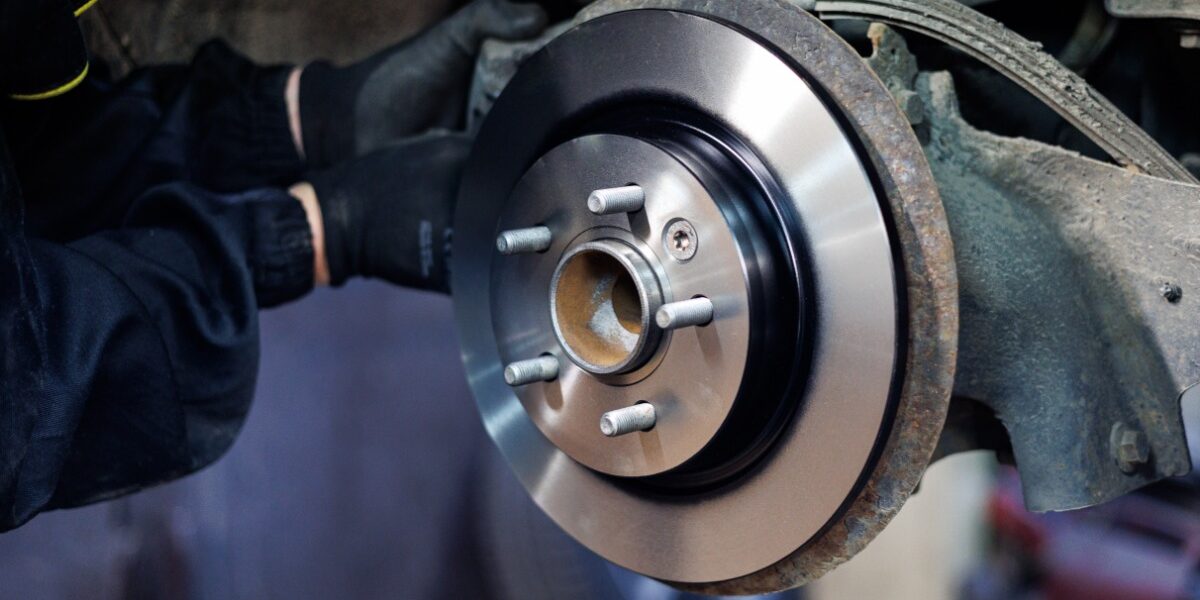
The automotive industry uses thermoset polymers in components that require strength without excessive weight. Parts such as brake components, electrical housings, under-the-hood assemblies, and composite panels often contain thermoset materials because of their dimensional stability and heat resistance.
These materials also contribute to fuel efficiency goals by supporting lightweight component manufacturing. Thermoset composites can withstand vibration, temperature fluctuations, and chemical exposure while helping manufacturers meet demanding performance standards. As transportation technology evolves, thermoset polymers continue to support durable and efficient product development.
Electrical and Electronics Manufacturing
Thermoset polymers are widely used in electrical insulation and electronic manufacturing because they resist heat and maintain reliable insulating properties. Circuit boards, encapsulation materials, switches, and connectors frequently incorporate thermoset resin systems to protect sensitive components.
In industrial electronics, consistent material performance is essential for operational reliability. Thermoset polymers help minimize risks associated with heat buildup, electrical stress, and environmental exposure. Their stability allows manufacturers to create products designed for long-term use in both consumer and industrial settings.
Supporting Specialized Manufacturing Processes
Custom manufacturing environments often require materials tailored to highly specific operational needs. Thermoset polymers can be formulated for unique chemical resistance, curing characteristics, or mechanical performance requirements. This flexibility makes them valuable for companies developing niche industrial products or specialized formulations.
In some production settings, partnerships involving chemical toll manufacturing help companies scale thermoset resin production while maintaining process consistency and quality standards. These collaborative manufacturing approaches allow businesses to focus on product innovation while leveraging established production expertise.
The Ongoing Value of Thermoset Materials
As industries continue prioritizing durability, efficiency, and long-term performance, thermoset polymers remain essential across manufacturing sectors. Their ability to withstand demanding environments makes them a dependable material choice for coatings, transportation systems, electronics, and industrial infrastructure.
Businesses evaluating material performance increasingly recognize the importance of thermoset solutions in modern production. Whether improving product lifespan or supporting specialized manufacturing needs, examining how thermoset polymers serve industrial applications demonstrates why these materials continue to play a central role in industrial innovation.