

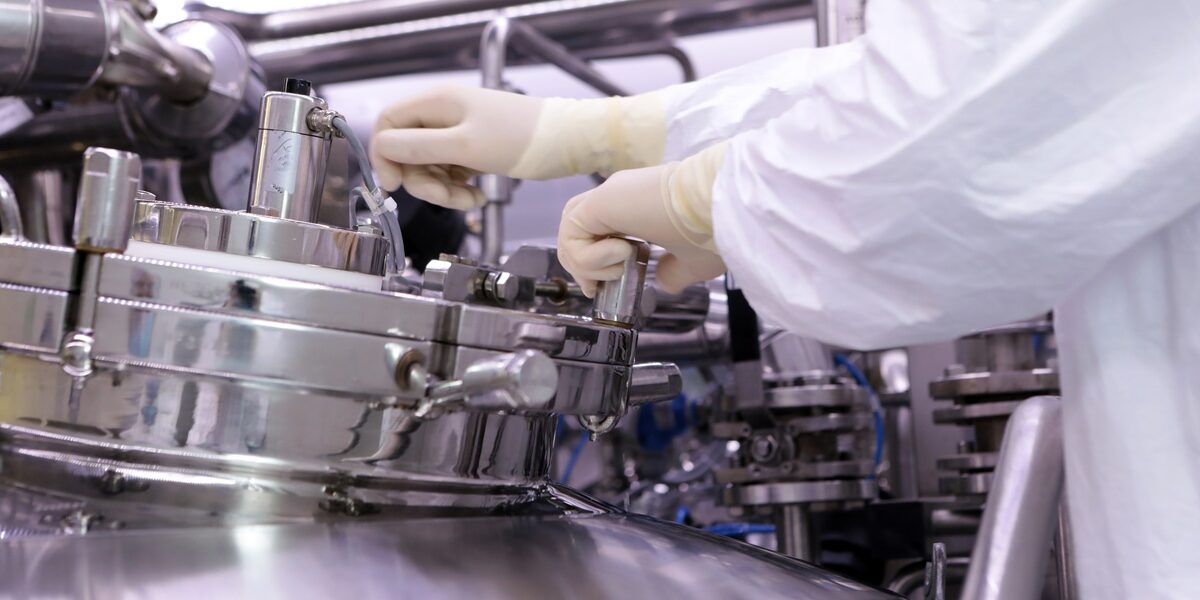
Scaling catalysts from laboratory development to commercial production introduces complex technical and operational hurdles. Processes that perform reliably in controlled environments often falter when operating at larger volumes. Success requires aligning goals while maintaining consistency, a balance that demands careful planning and effective communication. Below are the top challenges in catalyst scale-up and manufacturing.
Maintaining Reaction Consistency at Scale
Catalyst performance depends on tightly controlled reaction conditions. Even minor variations in temperature, mixing, or feed rates can affect outcomes during scale-up. Heat transfer, mass transfer, and reaction kinetics behave differently in larger systems, making direct translation from bench to plant unreliable.
Inconsistent conditions reduce catalyst activity and generate unwanted byproducts. Engineers must redesign processes to maintain uniform conditions across reactors, typically through pilot testing and iterative adjustments before committing to full-scale production.
Managing Raw Material Variability
Raw material quality influences catalyst performance. Suppliers may introduce slight variations in purity or composition, differences that become more noticeable and more expensive at scale.
Effective management strategies include establishing tighter specifications, qualifying multiple suppliers, implementing incoming quality testing protocols, and monitoring batch-to-batch variation. These measures ensure predictable manufacturing performance.
Scaling Equipment and Process Design
Small laboratory reactors rely on different mixing mechanisms and heat transfer properties than large industrial vessels. Reactor geometry, agitation methods, and material handling alter reaction pathways and outcomes. Process scale-up introduces mechanical constraints as well: equipment must handle larger volumes while maintaining precise control.
This complexity demands collaboration between chemists and engineers to align formulation requirements with equipment capabilities. What works in a flask may require fundamental redesign for a reactor.
Ensuring Safety and Regulatory Compliance
Larger production volumes increase risk exposure. Chemical behavior changes under different pressures, temperatures, and volumes, requiring updated safety protocols that evolve alongside the process.
Regulatory requirements intensify at the commercial scale. Manufacturers must document processes, validate controls, and meet environmental and safety standards, obligations that extend timelines and consume resources.
Balancing Cost, Efficiency, and Performance
Organizations face trade-offs between performance goals and production economics. High-performing catalysts may require expensive inputs or complex processes that undermine scalability. Teams must evaluate whether cost efficiency or product quality takes precedence.
Addressing the challenges in catalyst scale-up and manufacturing requires a strategic approach focused on long-term production goals. Companies that invest in process optimization and cross-functional collaboration consistently achieve superior outcomes.
Partnering for Successful Scale-Up
Successful scale-up depends on experience, infrastructure, and technical insight. Partnering with an experienced catalyst manufacturer helps organizations navigate complexity while preserving product integrity and accelerating timelines.
If your team faces catalyst development or manufacturing challenges, Capital Resin Corporation offers the technical expertise and production capabilities to support your growth. Reach out to us today to see how we can help.