
Urea-formaldehyde (UF) resin has been a cornerstone of the furniture manufacturing industry for decades. Despite the emergence of new adhesive technologies, its enduring popularity stems from a combination of performance, cost-effectiveness, and versatility. This has allowed it to maintain a significant market share in the production of composite wood products such as medium-density fiberboard (MDF) and particleboard. To appreciate why UF resin remains popular in furniture making, we must examine the properties that make it an indispensable material for manufacturers globally.
UF resin offers a reliable and efficient bonding solution that meets the rigorous demands of high-volume furniture production. Its rapid curing times, strong adhesion, and clear, colorless bond lines contribute to streamlined manufacturing processes and high-quality finished goods. These attributes, along with its economic advantages, ensure that UF resin continues to be a go-to choice for creating the durable, affordable, and stylish furniture that consumers expect. This article will explore the key factors behind its sustained use and the technical benefits it brings to the furniture industry.
What Is Urea-Formaldehyde Resin?
Urea-formaldehyde is a nontransparent thermosetting resin. Manufacturers create it by heating urea and formaldehyde in the presence of a mild base catalyst, such as ammonia or pyridine. The resulting polymer is a three-dimensional network that, once cured, becomes rigid and infusible.
Unlike thermoplastics, UF resin does not soften when reheated. Instead, it maintains its structural integrity, hardness, and shape, which is a critical feature for producing durable furniture components. Its chemical structure delivers the strong adhesive properties necessary for bonding wood particles and fibers together.
Cost-Effectiveness and Accessibility
One of the most significant drivers of UF resin’s popularity is its economic advantage. The raw materials, urea and formaldehyde, are widely available and relatively inexpensive to produce. This accessibility allows for large-scale, cost-effective manufacturing of the resin, which translates directly to lower production costs for furniture makers.
In a competitive market where price points are a major factor for consumers, the ability to use an affordable yet high-performing adhesive is invaluable. This economic efficiency enables manufacturers to produce composite wood panels and finished furniture at an accessible price without sacrificing essential quality standards.
Superior Bonding Strength and Durability
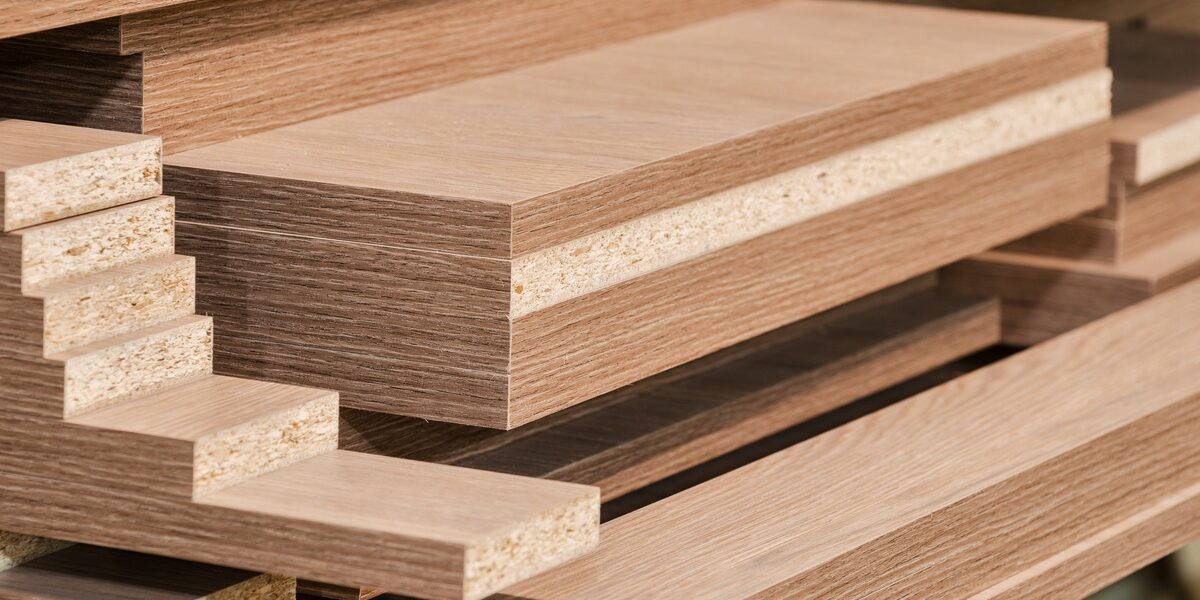
UF resin is renowned for its excellent adhesive properties; it creates strong, rigid bonds between wood fibers and particles. When used in the production of MDF and particleboard, it penetrates the wood structure and cures to form a powerful matrix that holds the composite material together. This results in panels with high internal bond strength, good dimensional stability, and impact resistance. The resulting furniture can withstand the daily stresses of use, from the weight of objects on a shelf to the routine opening and closing of cabinet doors.
Fast Curing Times for Efficient Production
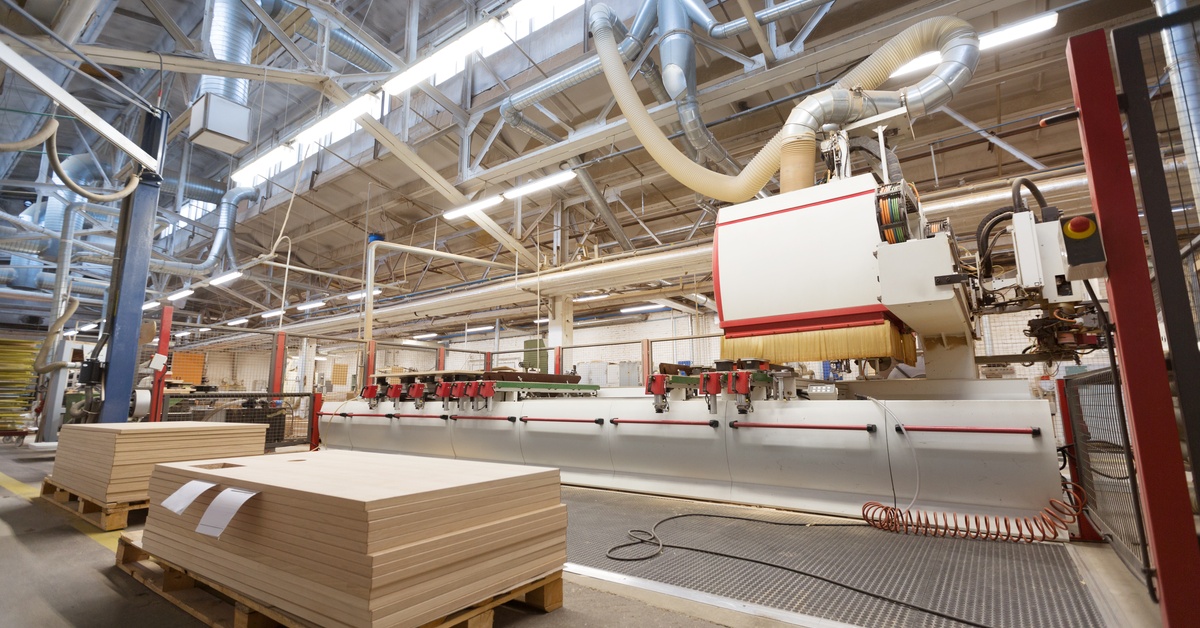
Production speed is critical in high-volume manufacturing. UF resins offer the advantage of fast curing times, which heat can further accelerate. During the hot-pressing stage of composite panel production, the resin cures quickly, allowing for rapid cycle times and increased throughput. This efficiency is a major benefit for furniture manufacturers, as it enables them to meet demanding production schedules and maintain a consistent supply of materials. The ability to produce panels quickly without compromising bond quality makes UF resin an ideal choice for modern, automated manufacturing facilities.
Colorless Glue Lines for Aesthetic Versatility
Appearance is an important aspect of furniture design. UF resin cures to a clear, colorless glue line, which means it does not discolor the wood composite or interfere with subsequent finishing processes. This is particularly important when applying thin veneers, laminates, or light-colored paints. The transparent bond ensures that the final look of the furniture is clean and uniform, without any dark glue lines showing through the surface. This feature gives designers greater flexibility and allows for a wider range of decorative finishes, from natural wood to bright, solid colors.
Excellent Surface Hardness and Scratch Resistance
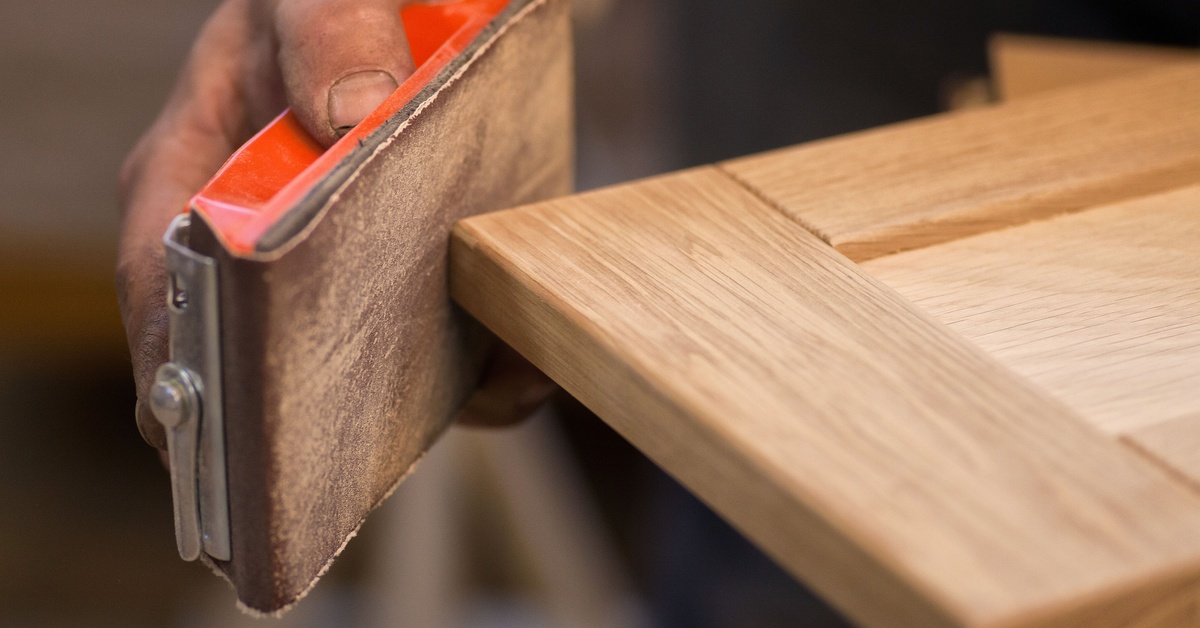
Once cured, UF resin contributes to a hard, dense surface on composite wood panels. This characteristic imparts excellent scratch resistance and surface durability to the final furniture product. Tabletops, desks, and cabinet surfaces made with UF-bonded panels are less susceptible to abrasions, dents, and everyday wear and tear. The material’s hardness also provides a smooth and nonporous substrate. This is ideal for painting or laminating, as it ensures a flawless finish that is easy to clean and maintain over the life of the furniture.
Good Performance in Dry, Interior Conditions
UF resin excels in dry, interior environments, which is where most residential and office furniture is used. It provides long-lasting, stable bonds that are not susceptible to degradation in typical indoor conditions. It is not recommended for exterior applications or areas with high humidity due to its lower moisture resistance, but it is perfectly suited for living rooms, bedrooms, and offices. UF resin delivers reliable performance that ensures the longevity and structural integrity of the furniture for its intended application.
Compatibility With Various Wood Products
UF resin is highly versatile and compatible with a wide range of wood materials. This includes different wood species, recycled wood fibers, and agricultural byproducts. This flexibility allows furniture manufacturers to utilize various raw materials in their production processes, which can optimize costs and promote sustainability. UF resin can be formulated to meet specific production requirements, whether for standard particleboard or high-grade MDF. This adaptability has cemented its role across the wood panel industry.
The Future of Resins in Furniture
The furniture industry continues to evolve with ongoing research into adhesive technologies. While alternatives exist, it is clear why UF resin remains popular in furniture making. Its balance of cost, performance, and processability is difficult to match.
Ongoing innovations, such as the development of low-emission formulations, address environmental and health concerns, ensuring that UF resin can meet modern regulatory standards. As formaldehyde manufacturers and resin producers continue to refine their products, UF resin is poised to remain a vital material in the furniture industry for the foreseeable future.
Capital Resin Corporation is a custom chemical producer with R&D and technical integration that allow us to collaborate with customers in developing high-quality industrial resins and chemicals. Contact us today to learn more about our custom chemical manufacturing capabilities.